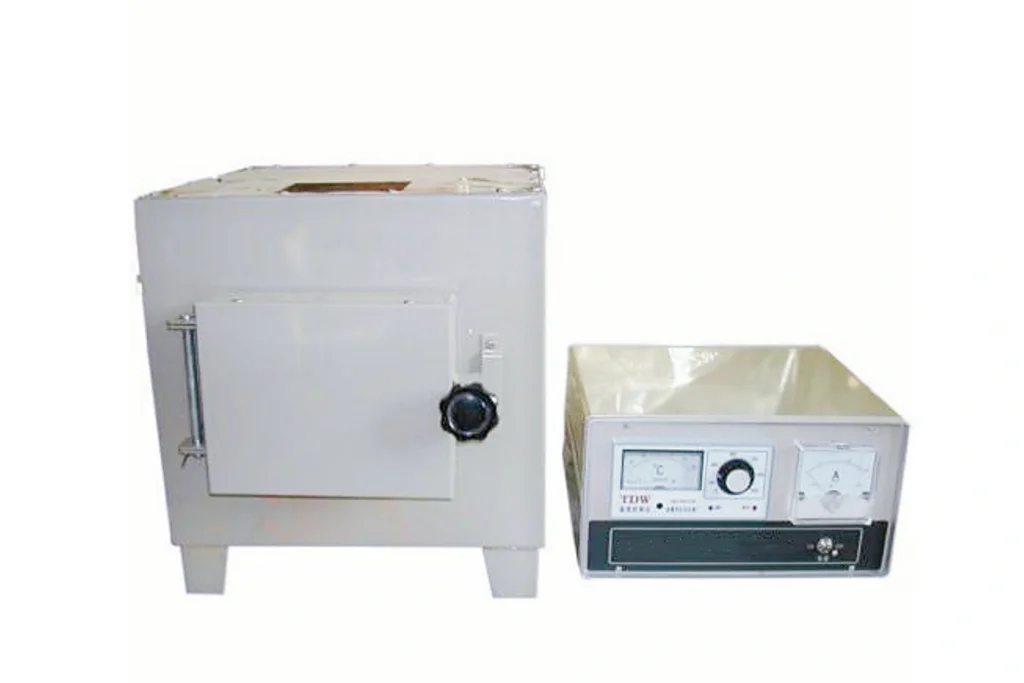
ASTM D482 Ash Content Tester
ASTM D482 Ash Content Tester
MT-AC68
The ASTM D482 Ash Content Tester is designed for determining the ash content in petroleum products under controlled laboratory conditions. The instrument is manufactured in accordance with GB/T 508 – Test Method for Ash from Petroleum Products, which corresponds to ASTM D482.
Introduction
Ash content represents the inorganic residue remaining after the complete combustion of petroleum products. It is an important indicator used to evaluate contaminants, metallic compounds, and inorganic impurities present in fuels and lubricating oils.
During the test, the sample is ignited using ashless filter paper as a wick and allowed to burn until only carbonaceous residue remains. The residue is then heated in a high-temperature furnace at approximately 775°C, where it is converted into ash. After cooling, the ash residue is weighed to determine the ash content of the sample.
The ash content tester mainly consists of a high-temperature furnace, temperature controller, porcelain crucibles, ashless filter paper, and handling tools. The temperature controller allows accurate measurement, display, and regulation of furnace temperature to maintain stable testing conditions.
This instrument is widely used in petroleum refineries, fuel testing laboratories, petrochemical plants, research institutes, and quality inspection agencies.
Typical Applications
The Petroleum Ash Content Tester is used to determine the ash content in petroleum products and related fuels.
- Fuel oils
- Diesel fuels
- Lubricating oils
- Residual oils
- Petroleum distillates
Typical application environments include:
- Petroleum refineries
- Fuel production plants
- Petrochemical laboratories
- Inspection and certification laboratories
- Research institutes and universities
Key Features
1. High-Temperature Electric Furnace
The instrument is equipped with a high-temperature resistance furnace capable of reaching temperatures up to 1000°C, providing stable heating conditions for ash determination.
2. Precise Temperature Control System
A temperature controller with pointer display and current meter enables accurate monitoring and regulation of furnace temperature.
3. Standard Ash Determination Method
The system follows the standard combustion and calcination procedure, ensuring reliable ash determination results.
4. Durable Heating Structure
The resistance furnace provides uniform heating and long service life, ensuring stable laboratory operation.
5. Simple and Reliable Operation
The instrument design is straightforward and easy to operate, making it suitable for routine petroleum laboratory testing.
Technical Specifications
|
Name |
MT-AC68 ASTM D482 Ash Content Tester |
|
Furnace Temperature Range |
Room Temperature – 1000°C |
|
Standard Working Temperature |
775°C ±25°C |
|
Heating Power |
2.5 kW |
|
Furnace Chamber Size |
300 × 200 × 120 mm |
|
Porcelain Crucible Capacity |
50 mL |
|
Ambient Temperature |
Approximately 25°C |
|
Power Supply |
AC 220V ±10%, 50 Hz |
Standards Compliance
This Petroleum Ash Content Tester is designed according to the following standards:
- ASTM D482 – Standard Test Method for Ash from Petroleum Products
- GB/T 508 – Test Method for Ash from Petroleum Products
Why Choose Our ASTM D482 Ash Content Tester
Accurate Ash Determination
Provides reliable measurement of ash content in petroleum products and fuels.
Stable High-Temperature Furnace
The electric resistance furnace ensures uniform heating and stable temperature control.
Standard-Compliant Testing
Fully complies with ASTM and national testing standards for petroleum ash determination.
Durable Laboratory Construction
High-quality furnace materials ensure long service life and stable operation.
Ideal for Petroleum Laboratories
Widely used in petroleum refineries, petrochemical laboratories, and research institutions.