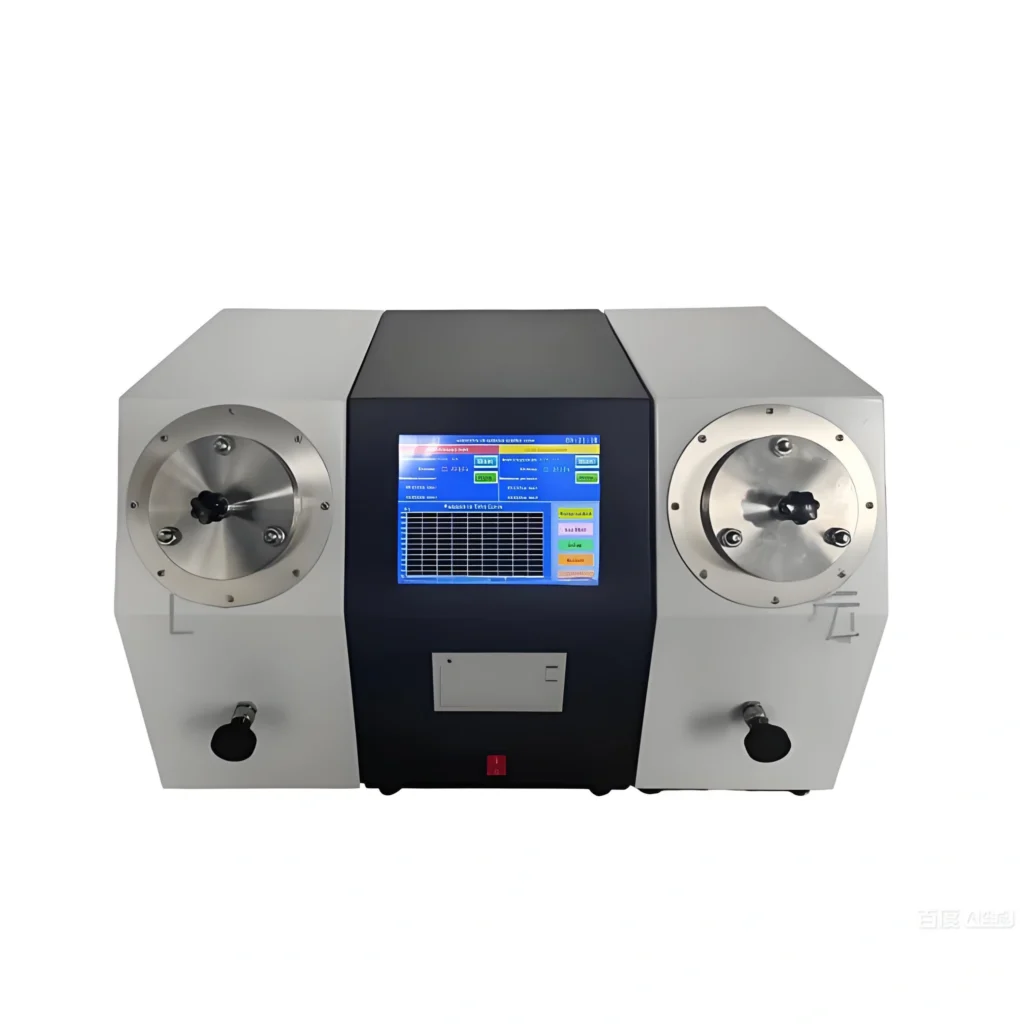
Oxidation Stability Tester
Applications of Oxidation Stability Tester
Our Oxidation Stability Testers are widely used in:
· Evaluation of lubricant aging resistance
· Quality control of turbine oils and hydraulic oils
· Comparative testing of lubricant formulations
· In-service oil life assessment
· Research and development of high-performance lubricants
Key Oxidation Stability Testing Parameters
· Oxidation Induction Time / Pressure Drop
Indicates lubricant resistance to oxidation under accelerated conditions.
· Test Temperature & Pressure
Elevated temperature and oxygen pressure accelerate oxidation reactions for faster evaluation.
· Deposit & Sludge Formation Tendency
Oxidation results correlate with varnish, sludge, and deposit formation risks.
· Standards Compliance
Compliant with ASTM D2272, ASTM D2112, ISO 4263, and related standards.
Related Testers
- Dielectric Breakdown Voltage Testers (BDV)
- Moisture Analyzers
- Acidity Testers
- Dissolved Gas Chromatograph (DGA)
- Interfacial Tension Testers
- Dielectric Loss & Volume Resistivity Tester
- More
- Kinematic Viscosity Testers
- Density Testers
- Flash Point Testers
- Wear Abrasion Testers
- Particle Contamination Testers
- Oxidation Stability Testers
- Copper Corrosion Testers
- Foaming Characteristics Testers
- Air Release Value Testers
- More
- Pour Point/Cloud Point /Freezing Point Testers
- Sulfur Content Testers
- Distillation (Boiling Range) Testers
- Demulsibility Testers
- Ash Content Testers
- Aniline Point Testers
- Carbon Residue Testers
- Foaming Characteristics Testers
- Air Release Value Testers
- More




Contact Us for Oxidation Stability Testing Solutions
Not sure which oxidation stability tester fits your lubricant type or testing standard?
Our specialists can help you select the right oxidation stability testing solution based on oil application, test method, and laboratory requirements.